

Meet our Teaching Faculty
University professionals, researchers and specialists with academic, business and human experience at the service of learning.
The teaching faculty of UNADE brings a threefold vision of the University’s learning model:
- That of the academic university teacher, who attends to methodological and research aspects with order and rigor. They also attend to pedagogical and didactic aspects. These stem from their great vocation for helping other people learn. Our teaching faculty is made up of doctors and master’s holders of recognized prestige.
- That of the professional who has a working life outside academia. They therefore handle the practical application of their knowledge and contrast it with business and labor realities in general. In this way, they manage to approach training in an eminently practical and productive manner.
- That of the bearer of values. This perspective can enrich the student, as it goes beyond the practical and the academic. Our teaching faculty is based on the values of UNADE. Such as respect, perseverance, kindness, enthusiasm, teamwork and, above all, humility.
In short, the teaching faculty of UNADE brings together the best qualities of the academic and business worlds. And, in addition, all within a “human being” enriched with values, capable of exerting a positive influence on the people around them.
What the selection process of the teaching faculty is like
At UNADE, the selection process of the teaching faculty is essential for us. From our point of view, the achievement of our objectives will depend on all members, including the teaching faculty, fulfilling their mission excellently. On the one hand, our teaching faculty is made up of people holding master’s and doctoral degrees from the best universities in the world. And, on the other hand, they are excellent professionals in their specialty. They all have a clear vocation for teaching and continuing to learn. In addition, they are people skilled in the use of technologies for teaching. And, of course, bearers of essential values for the human being.
Steps of the selection process
- Publication of available positions to work at UNADE. The competition among applicants follows a rigorous concurrence process. Without personal recommendations at the outset, which could interfere with making the best possible selection.
- Exclusion of candidates who do not meet the essential criteria required. For example, not having the necessary qualification or not having professional experience in the required area of education.
- Preselection of the people who best meet the selection criteria with the highest scores. Around 20 or 30 people usually advance for each position.
- Phone call for an initial contact. It can serve to arrange an interview. But also to rule out those people who do not show great interest in the position and in teaching. This phase is usually passed by about 10 people per position.
- Before the interview, tests are carried out aimed at detecting personality aspects of the applicant and performing further filtering. In this way, we facilitate the move to interviews for people with a good level of maturity, coherence and discipline. As well as self-control, relational ability and self-criticism. Around 4-6 people per position pass this stage.
- The first personal interview seeks to verify all of the above. The level of knowledge and practical experience is checked. Also the presence of the essential values for our organization. After this there are usually 2-3 finalists.
- The second personal interview. Here we have expert psychologists in personnel selection. And at least the vice-rector of the area where the person will be hired, or the corresponding dean, is also present.
- After the previous interview, the selection committee will make a decision. If no candidate has passed the selection, the process starts over again. This will be done as many times as necessary to find the person who fits perfectly with our organization.
If the quality of the teaching faculty is important, so is the fact that each student has the teacher who best adapts to their needs. And, of course, that the tutor is an accessible person. To this end, UNADE works so that the teaching faculty has a student load or student density that allows them to optimize their functions as teachers. At UNADE, in each doctorate there is at least one doctor for every 10 doctoral candidates. Regarding the master’s degrees, there is usually one doctor or one master’s holder for every 30 students. In total, in the Group to which UNADE belongs, 100 doctors teach. The rest of the teaching faculty are master’s holders and some bachelor’s holders. Adding up to nearly 400 teachers. These teach about 10,000 students of the Group each year. UNADE has 1,400 of these students.
The people who support the teaching faculty
The teaching faculty has great support from professionals in various fields. Such as pedagogues. These people perform coordination and support functions for educational matters. They are very important within the University because they ensure the entire quality system. Among their functions is providing support for the continuous improvement of the studies and for the teaching faculty. As well as coordinating the teachers’ research. For all of this, they get involved in the development of new and innovative training methodologies and topics. Consequently, they are always very attentive to possible improvements in the teaching staff. And, above all, in student satisfaction. The Group to which UNADE belongs is made up of different workers who support the teaching faculty and the students. Among them we can find IT specialists, pedagogues and psychologists. In short, the teaching faculty of Grupo IOE is made up of approximately 100 doctors and 500 teachers with master’s and bachelor’s degrees. In addition, all of them with professional experience in their subjects.
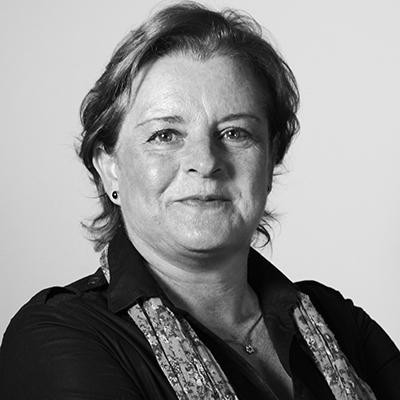
Cristina González
PhD in Psychology from the Universidad de Murcia, Bachelor’s in Psychology from the Universidad de Murcia.
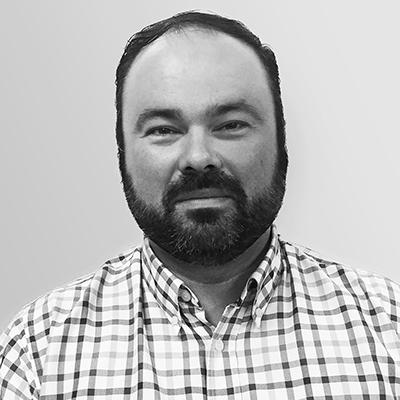
Abel López
PhD in Sport Sciences from the Universidad de Castilla-La Mancha, University Master’s in Management of Sports Organizations and Facilities from the Universidad Politécnica de Madrid.
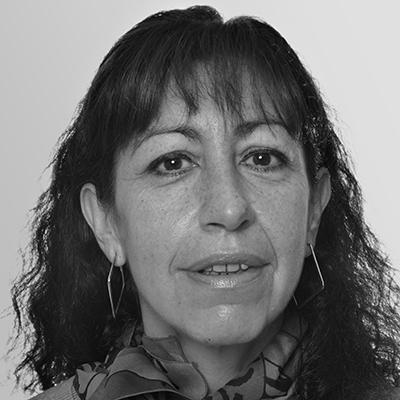
Raquel Greciano
PhD in Philosophy and Education Sciences from the Universidad Complutense de Madrid, Bachelor’s in Philosophy and Education Sciences from the Universidad Complutense de Madrid.
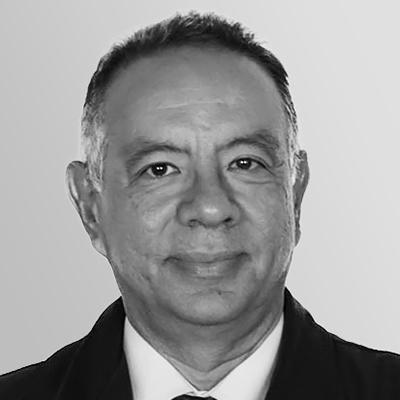
Richard de Jesús Gil
PhD in Computer Science and Information Technology from the Universidad de Granada, Master’s in Soft Computing and Intelligent Systems from the Universidad de Granada. Tenured Doctor Professor accredited by ANECA.
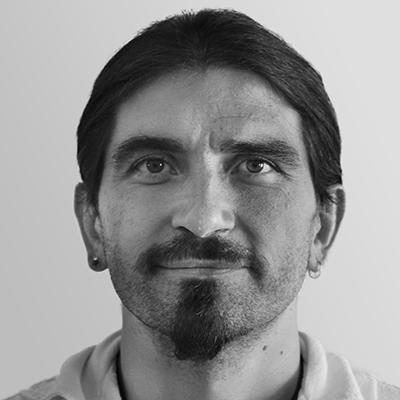
Alfonso Vázquez
PhD in Audiovisual Communication and Advertising from the Universidad de Extremadura, Master’s in Strategic Management and Innovation Management from the Universitat Autònoma de Barcelona.
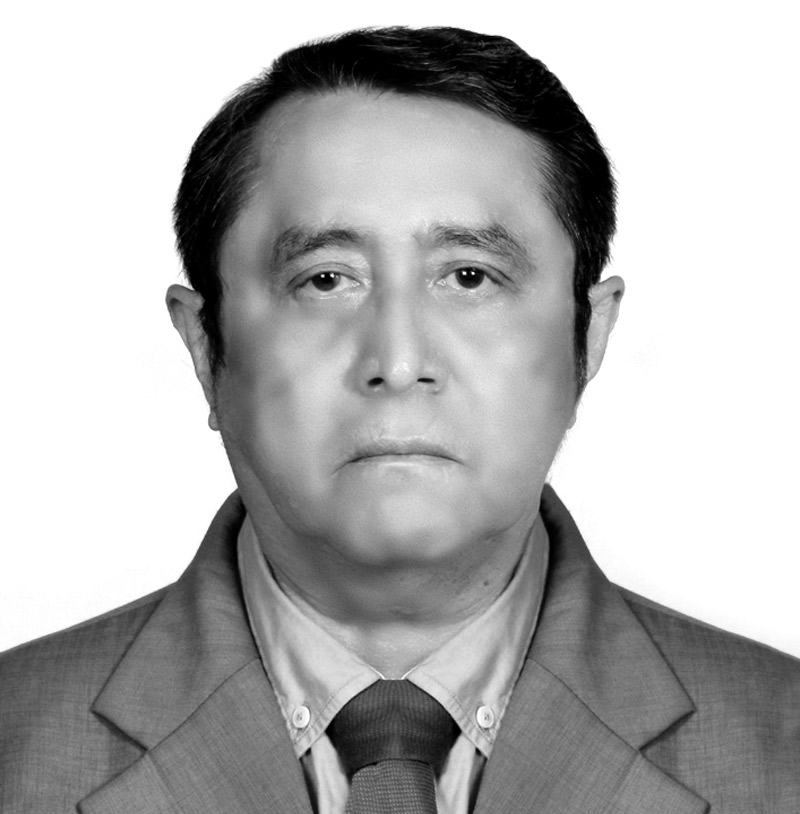
Felipe Ángeles Puc Hernández
PhD in Education from the Universidad Abierta de Tlaxcala, Master’s in Environmental Management and Audits from the Centro Panamericano de Estudios Superiores and Master’s in Land Transport from the Universidad Autónoma de Campeche. Civil Engineering in Community Development.
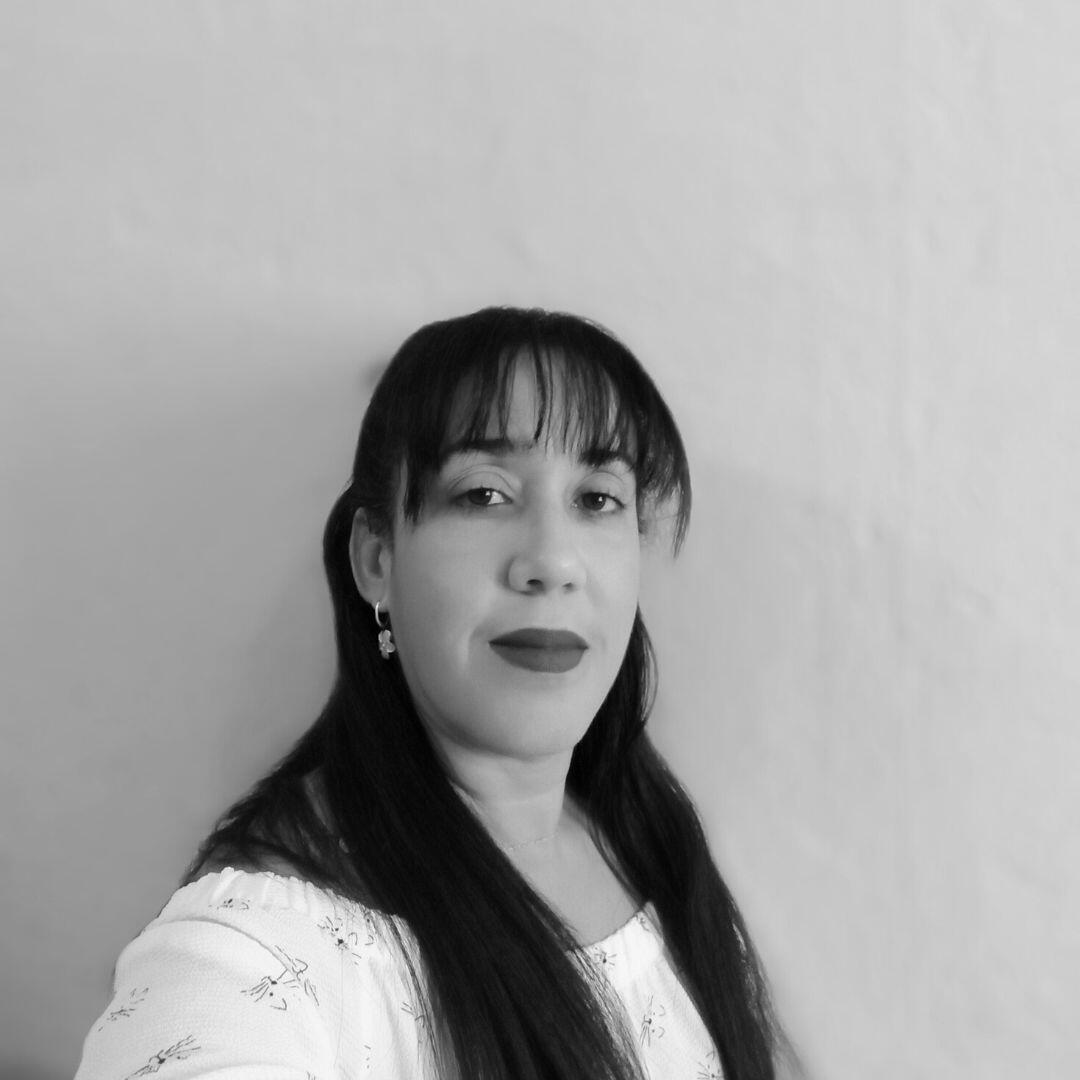
Hakna Ferro Azcona
PhD in Ecology and Sustainable Development from El Colegio de la Frontera Sur. Master’s in Environmental Management with a specialization in environmental impacts from the Instituto Superior de Tecnología y Ciencias Aplicadas. Bachelor’s in Economics from the Universidad de la Habana. Candidate for National Researcher by the SNI (National System of Researchers).
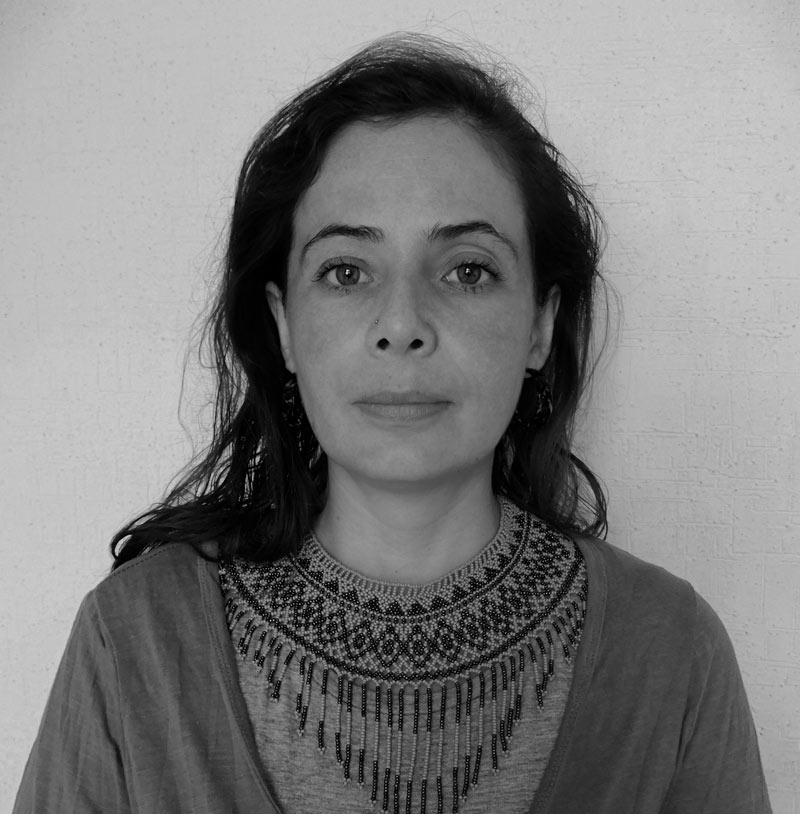
Irene Becerril Arostegui
PhD in Sociocultural Studies from the Universidad Autónoma de Aguascalientes, Postgraduate in Humanities, Master’s in Literary Studies and Bachelor’s in Latin American Letters from the Universidad Autónoma del Estado de México. Candidate for National Researcher by the SNI (National System of Researchers).
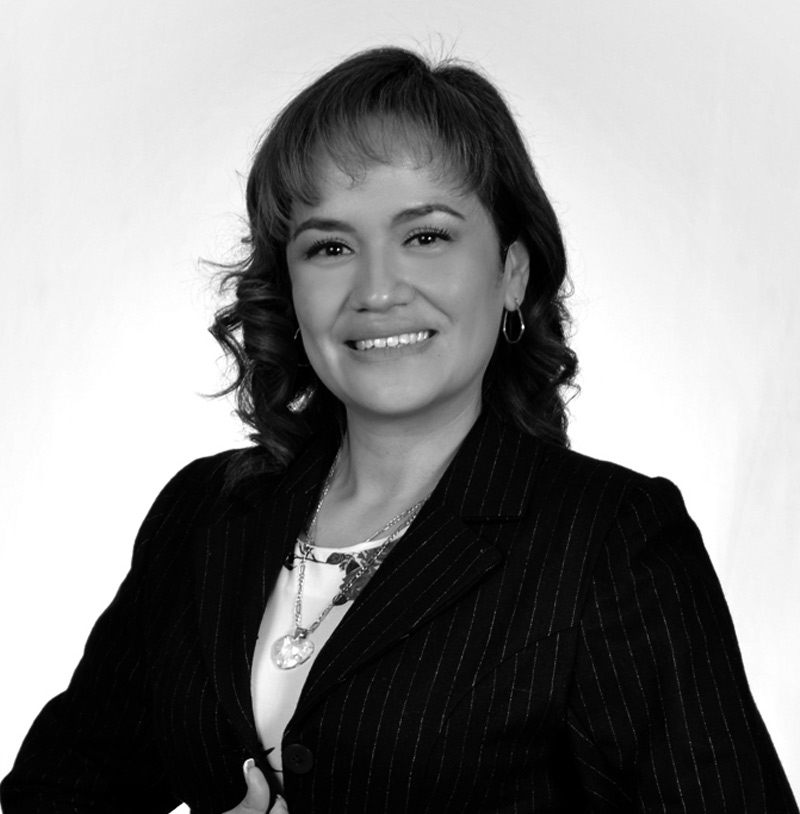
Liliana Alborada Melo Aponte
Bachelor’s in International Business Administration from the Universidad Veracruzana. Master’s and Specialization in Foreign Trade Administration from the Universidad Mexicana (UNIMEX).
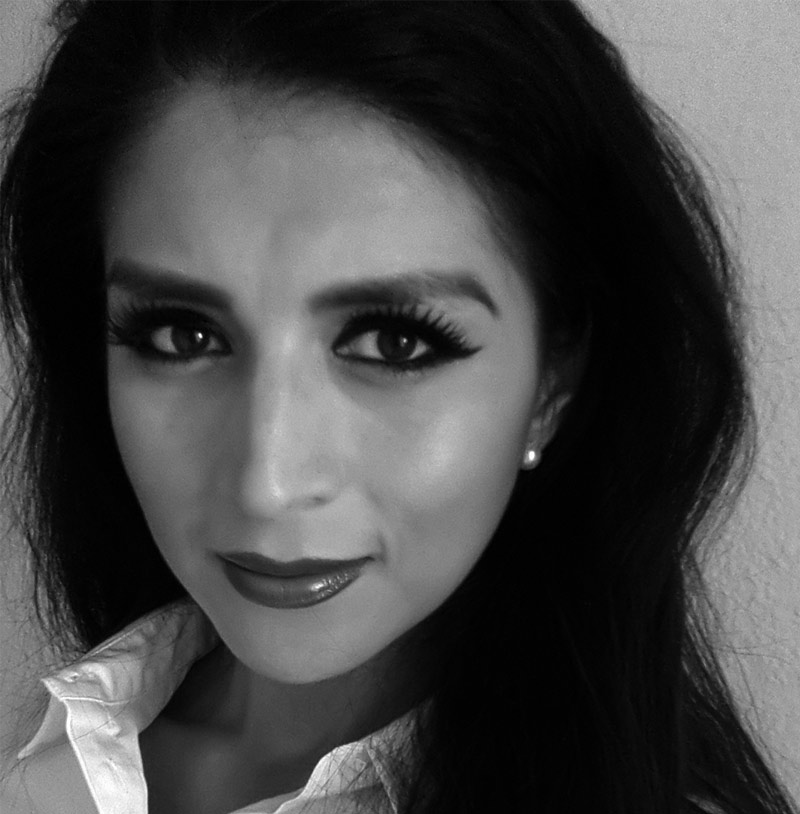
Mariana Flores García
PhD in Architecture with a Double Degree emphasizing Housing, from the Universidad Autónoma de Tamaulipas and the Universidad de Sevilla. Master’s in Architectural Design obtained at the Universidad La Salle Bajío and Bachelor’s in Architecture from the Universidad Autónoma de Durango. Candidate for National Researcher by the SNI (National System of Researchers).
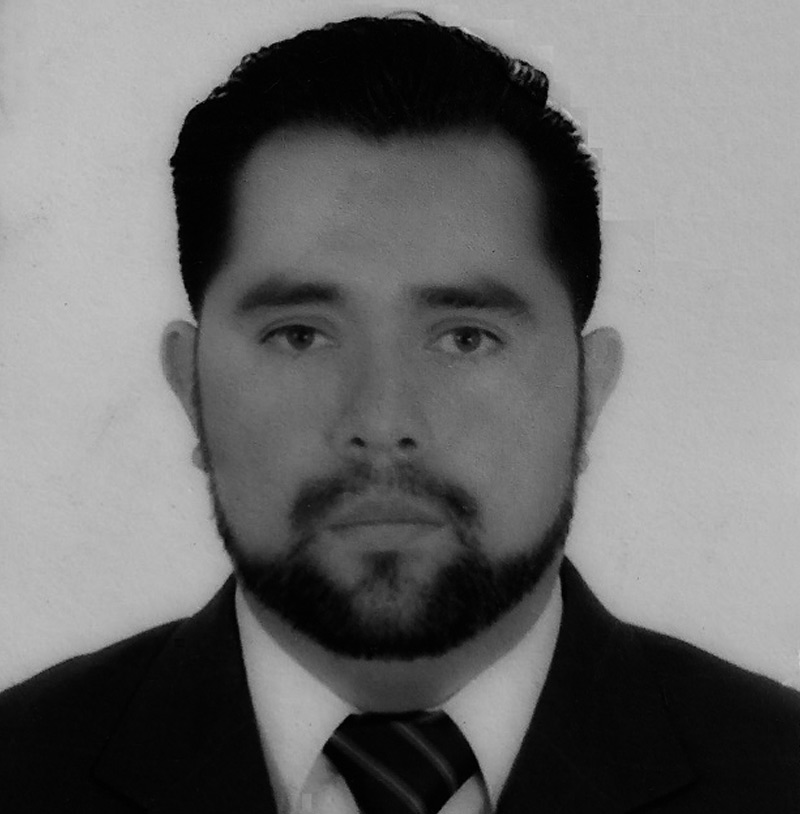
Rodrigo Cadena Martínez
PhD in Computer Science from the Instituto Politécnico Nacional – Center for Computing Research (CIC). Master’s in Computing Technology from the Instituto Politécnico Nacional – Center for Innovation and Technological Development in Computing (CIDETEC). Computer Systems Engineering from the Instituto Politécnico Nacional – Higher School of Computing (ESCOM). Candidate for National Researcher by the National System of Researchers (SNI).
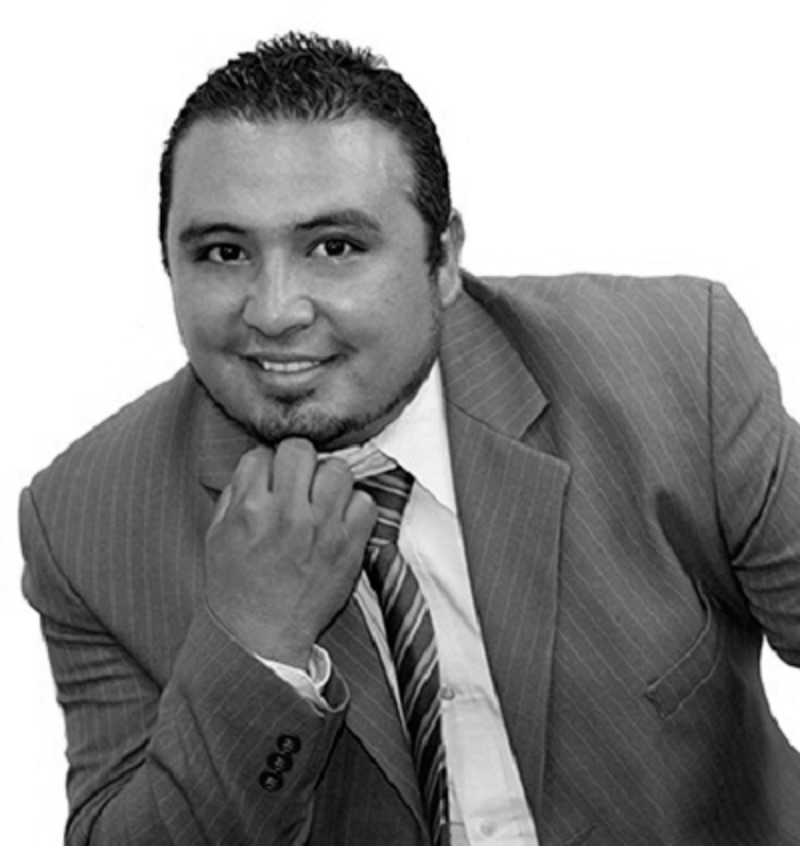
Vladimir Valdez Trejo
PhD in Educational Research from the Universidad de Puebla. Master’s in Education Sciences and Bachelor’s in Administrative Computing from the Universidad ETAC. Teacher in secondary, high school and postgraduate Bachelor’s and Master’s programs.
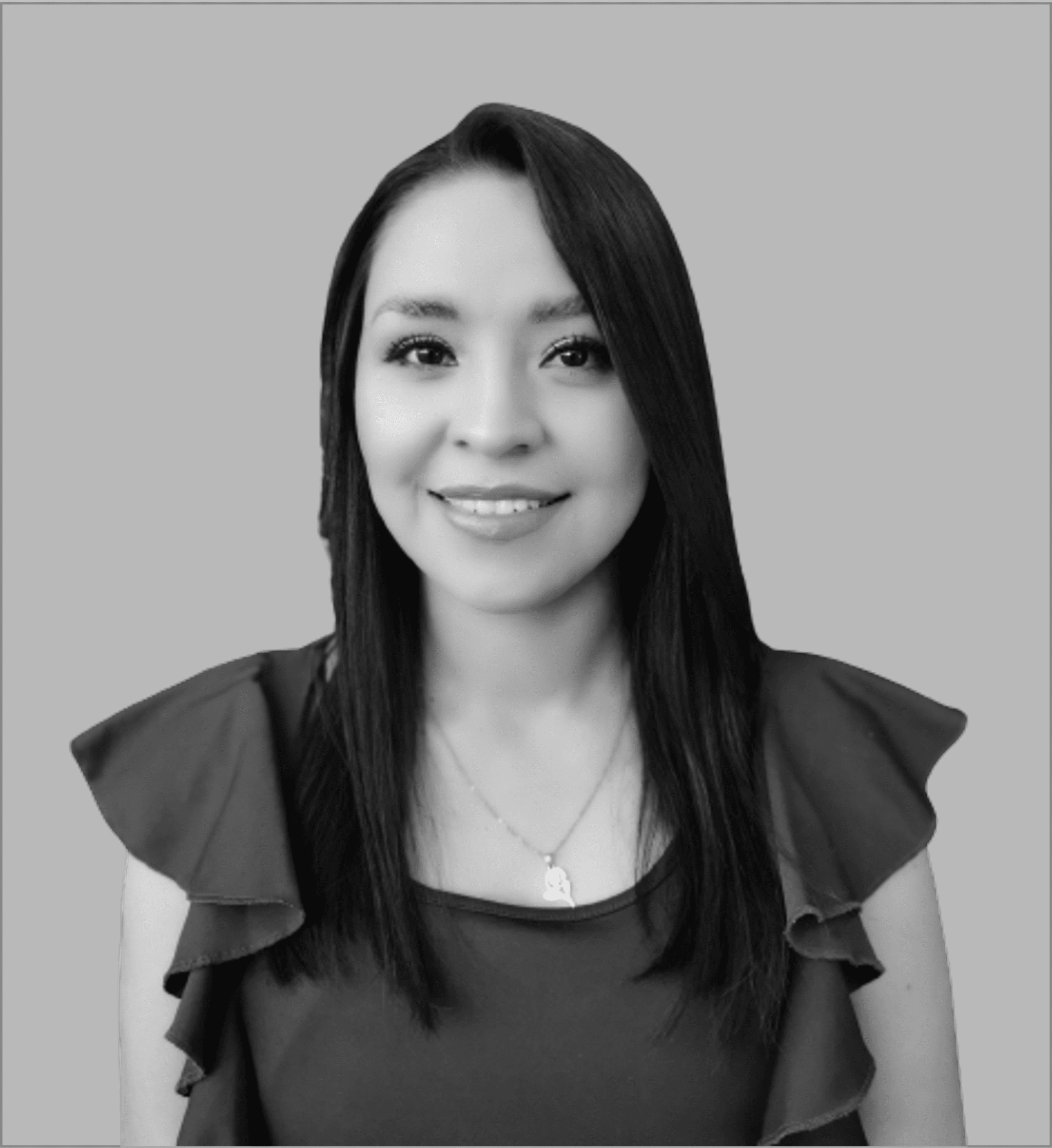
Jazmín Anai Ávila Treviño
PhD in Biological Sciences from the Universidad Autónoma de Aguascalientes. Master’s in Natural Resources and the Environment in Arid Zones from the Universidad Autónoma de Chapingo. Bachelor’s in Biology from the Universidad Juárez del Estado de Durango.

Adriana Alejandra Márquez Ibarra
PhD in Medical Sciences from the Universidad de Colima (Mexico), Master’s in Health Sciences at the Instituto Nacional de Salud Pública and Diploma in Diabetes Education at the Asociación Mexicana de Diabetes. CONAHCYT grants her recognition as a Candidate in the National System of Researchers (SNI).
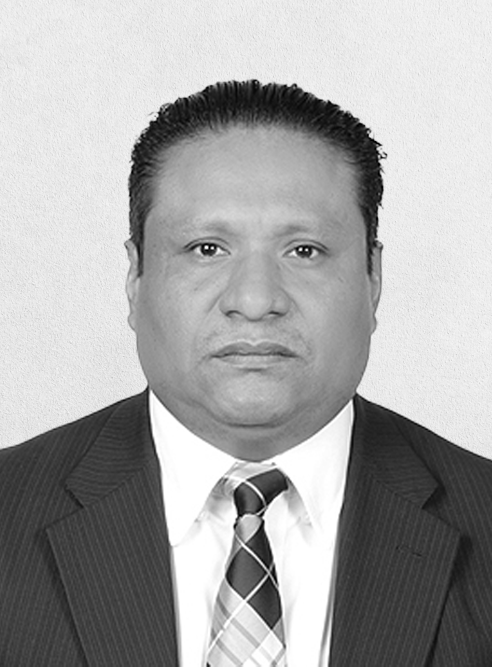
Sergio Benito Diaz
Master’s in Education with Applications in New Technologies at the Universidad Interamericana para el Desarrollo. Master’s in Administration with a specialization in Senior Management at the Universidad Popular Autónoma del Estado de Puebla. Bachelor’s in Computer Systems at the Universidad Popular Autónoma del Estado de Puebla.
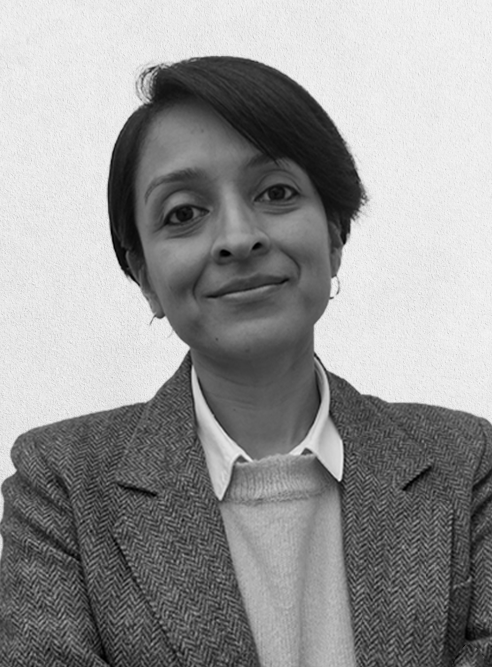
Paloma Violeta Susan Tepetlan
PhD in Sciences, with a specialization in Applied Ecology and Biotechnology, at the Institute of Biotechnology and Applied Ecology of the Universidad Veracruzana. Master’s in Sciences, with a specialization in Marine Biology at the Center for Research and Advanced Studies of the Instituto Politécnico Nacional. Bachelor’s studies in Biology at the Universidad Veracruzana.
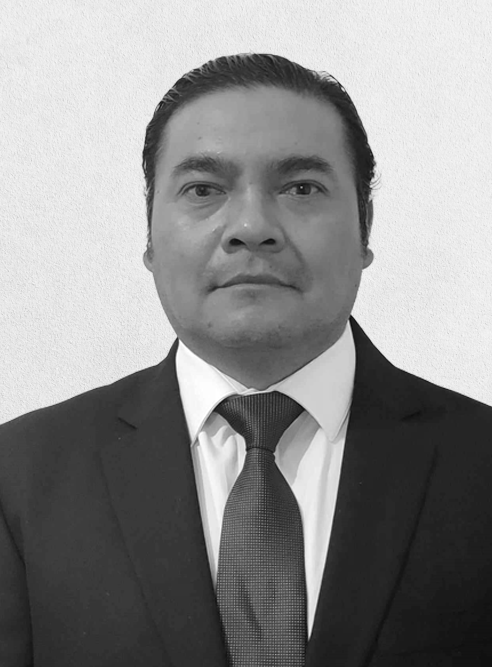
Ricardo Martínez Gutiérrez
PhD in Sciences from the Colegio de Postgraduados. Master’s in Sciences, specializing in Botany at the Colegio de Postgraduados. Bachelor’s in Biology from the Universidad Autónoma del Estado de México.
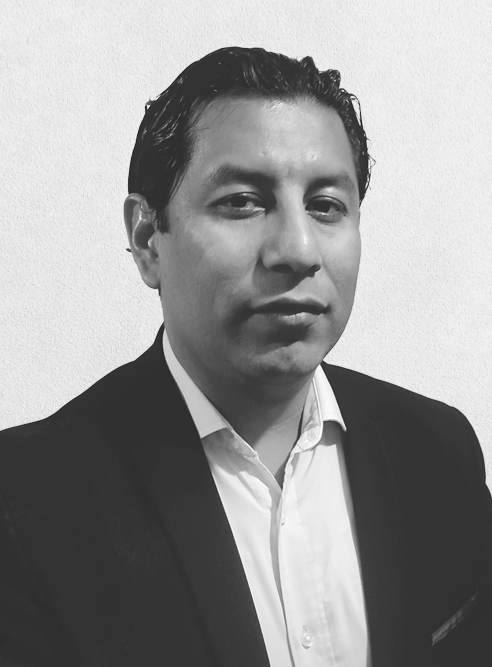
Iván Diaz León
PhD in Management and Innovation of Institutions at the Instituto de Estudios Universitarios, Puebla campus. Master’s in Economics from the Benemérita Universidad Autónoma de Puebla. Bachelor’s in Business Administration from the Benemérita Universidad Autónoma de Puebla.
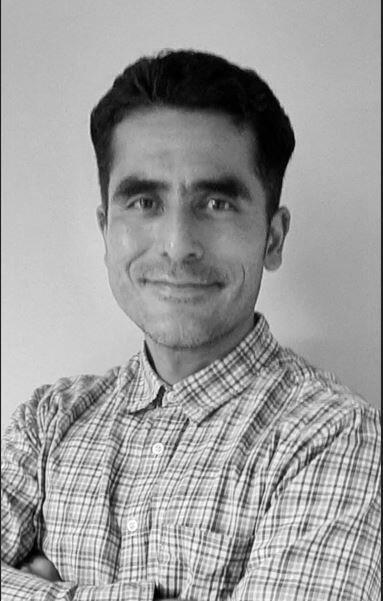
Fabián Loza Muñoz
PhD in Tax Sciences at the Instituto de Especialización para Ejecutivos. Master’s in Taxes at the Universidad Mexicana, Polanco campus, and Master’s in Business Administration with Finance at the Universidad Tecmilenio. Certified Public Accountant at the Escuela Superior de Comercio y Administración.
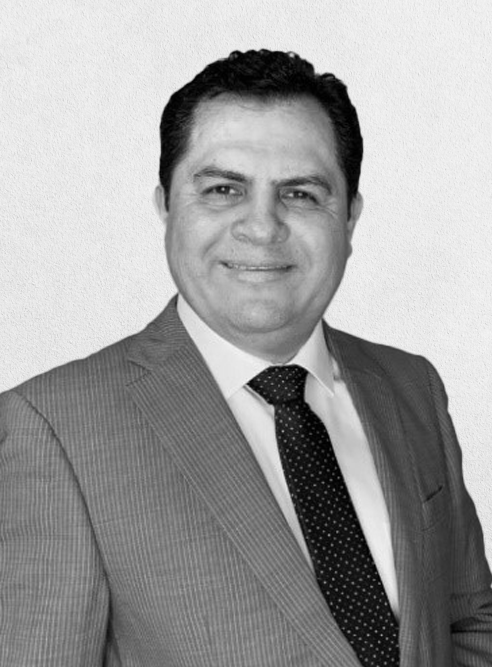
Luis Carlos Padilla Arjona
PhD in Educational Planning and Leadership at the Universidad Autónoma del Noreste. Master’s in Competency-Based Education at the Colegio Americano Anáhuac de Monterrey. Master’s in Education with a focus on Teacher Training at the Universidad Pedagógica Nacional. Bachelor’s in Primary Education at the Escuela Normal Miguel F. Martínez.
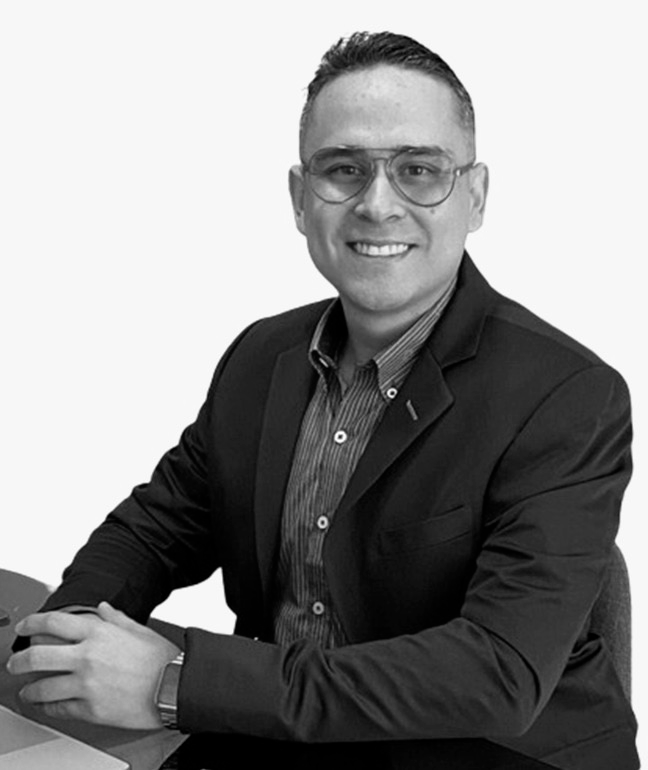
Andrés Marino Osorio Herrerra
PhD in Research and Teaching from UNADE. Master’s in Educational Technology Management from the Universidad de Santander. Specialization in Educational Computing Administration from the Universidad de Santander. Bachelor’s in Education with an emphasis on Special Education from the Universidad Pedagógica Nacional. Training as a Higher Normal Teacher at the Escuela Normal Superior Santiago de Cali.
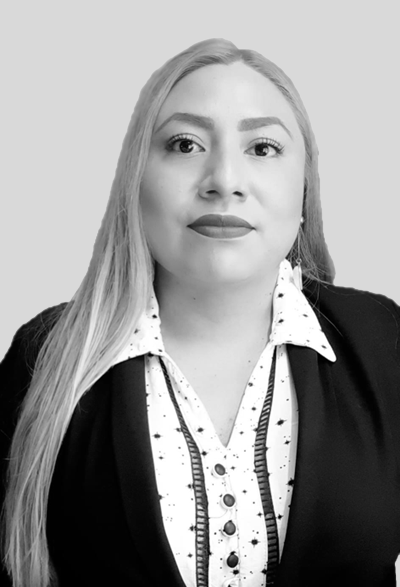
Nallely Jacqueline Reyes García
PhD in Economics, Master’s in Economics and Bachelor’s in Economics from the Instituto Tecnológico Nacional de México.
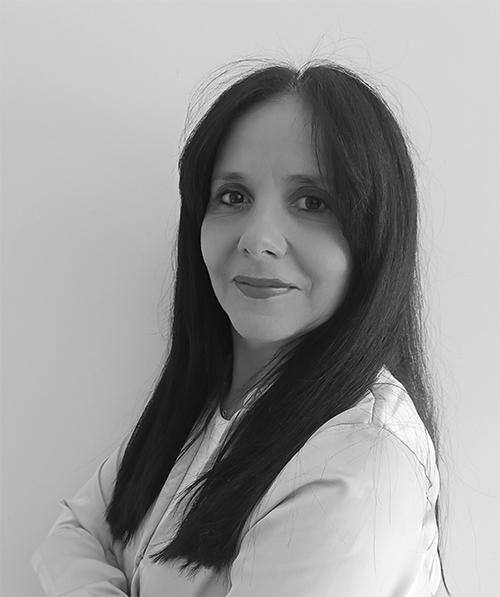
Carmen Victoria Velásquez Marea
PhD in Urbanism and Land-Use Planning from the Universidad de Barcelona, Master’s in Architecture (with a focus on Teaching in the Architecture Workshop) and a degree in Architecture from the Universidad del Zulia.
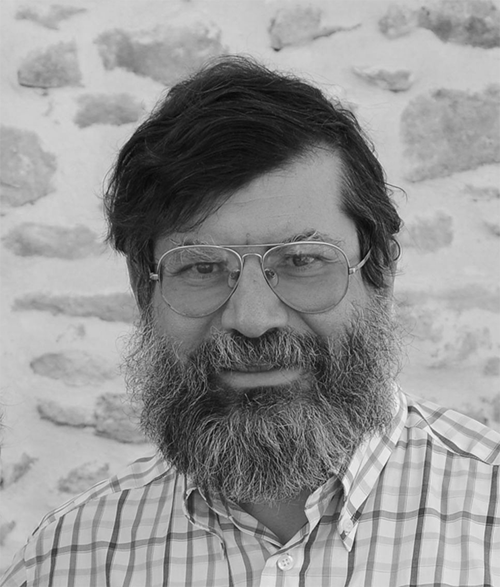
Miguel Herrero Uceda
PhD in Computer Science (Artificial Intelligence Dept.) and Bachelor’s in Computer Science from the Universidad Politécnica de Madrid.
Mireya Frausto Rojas
PhD in Education Sciences from the Colegio de Estudios de Posgrado de la Ciudad de México. Master’s in Education Sciences at the Universidad del Valle de México. Bachelor’s in Psychology at the Universidad del Valle de México. Postdoctorate in Transdisciplinary Research.
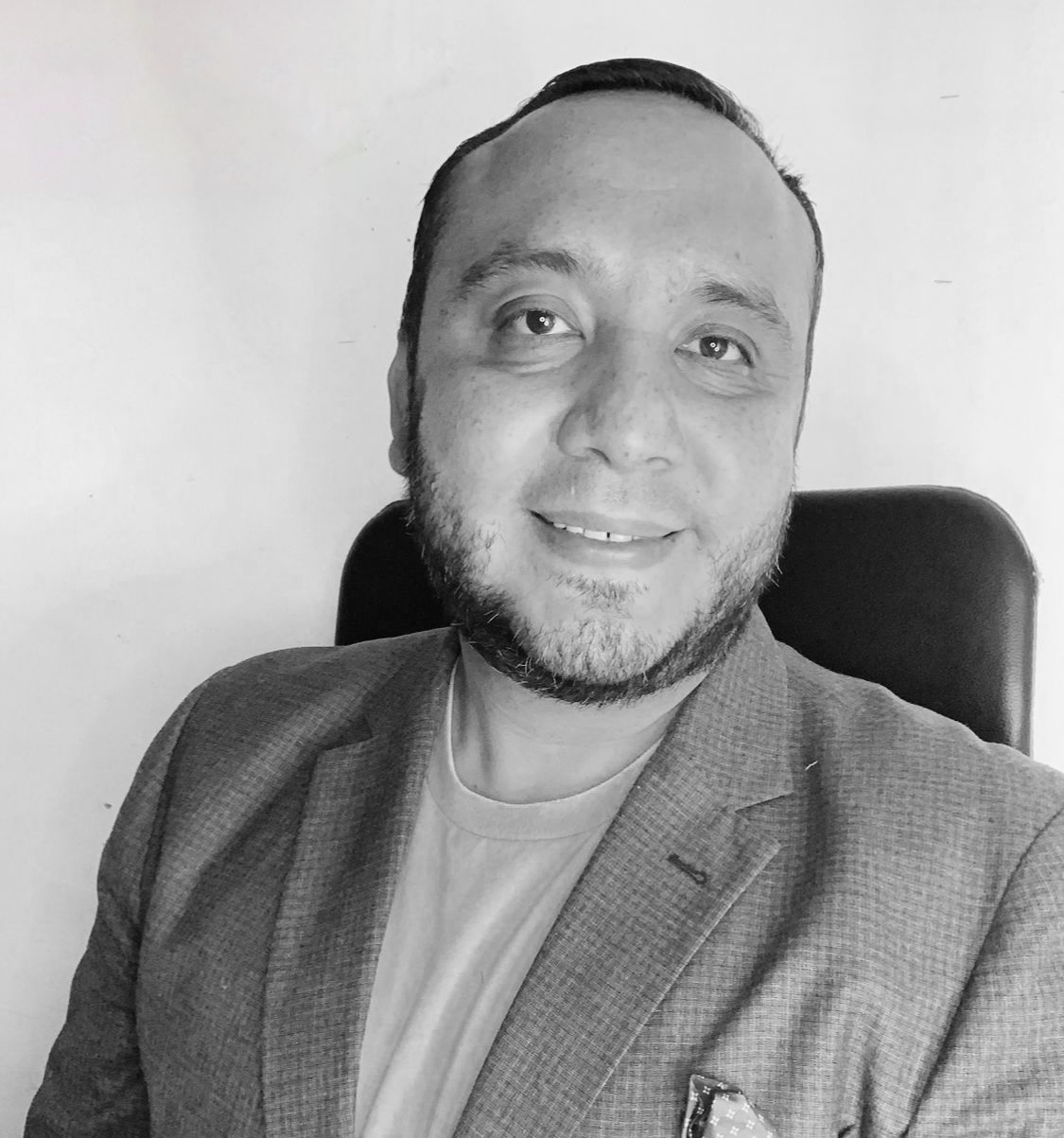
Efraín Zamora Domínguez
PhD in Pedagogy